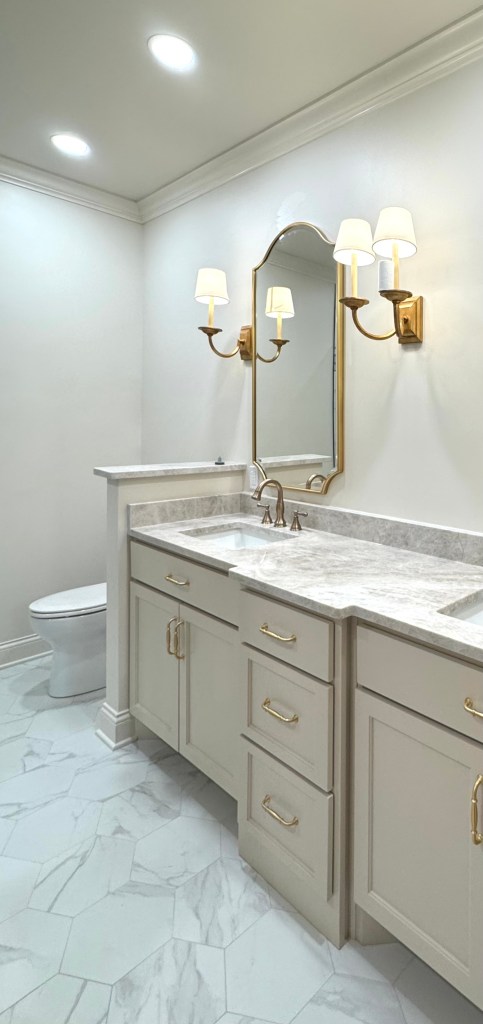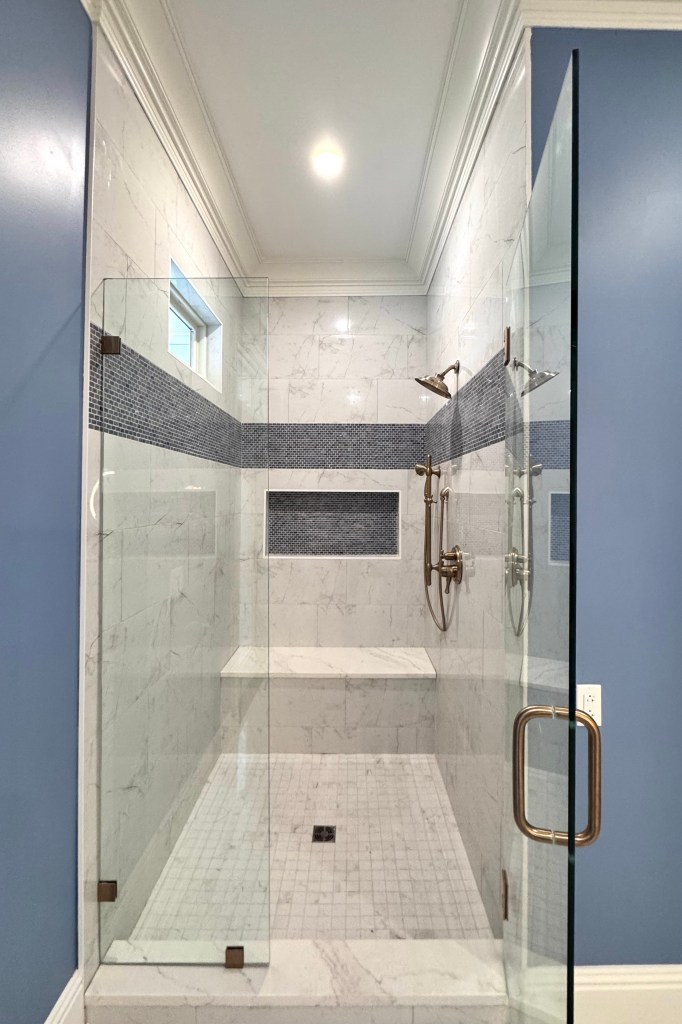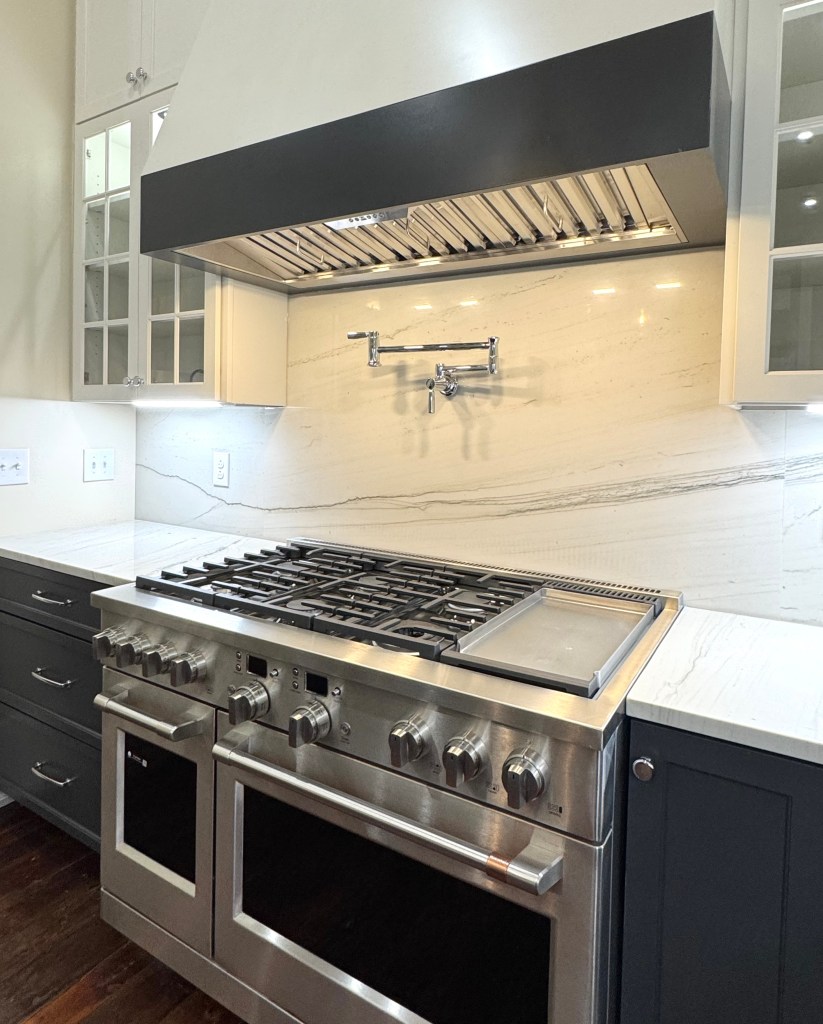

Luxury magazines feature glossy picture-perfect homes. They look gorgeous if not untouchable. These homes always carry the mark of a professional designer. How can you use the services of a designer to beautify your home? Let’s start with a general definition of interior designer and decorator and note the differences. There are talented professionals in both categories. Interior designers are trained and educated in elements of the whole house. Their training (through a formal design degree or years of experience) brings in architecture, construction and comprehensive aesthetics. A decorator generally limits their services to materials selections, color and theme, and décor.
As an interior designer, my role spans projects throughout the house, inside and out. My projects usually involve construction in one way or another. My professional time covers months of project work and working relationships with contractors, sub-contractors, cabinet manufacturers and craftsmen. Whereas a decorator’s responsibilities can be as simple as that of a personal shopper, or someone who recommends interior lighting and furnishings using a broad selection of resources. A decorating project is completed relatively quickly (as compared to a construction project like a kitchen or whole house remodel).
In my view, clients who are prepared and realistic about a project are the best to work with. Because we will work together over an extended period, a comfortable, easy relationship is essential. Trust is key. You hire an interior designer for their broad expertise and experience. Be willing to pay for the extensive number of contacts, resources, and most importantly, ability. In the end, those resources will save you mistakes, regrets and money.
Below are thoughts on what will help you in considering an interior designer (or decorator) and what to expect.
- The value of time. It’s not always about the actual time spent on a project. It’s about non-billable knowledge and expertise that comes with a design professional. It’s an investment. It’s a basic guarantee of a successful outcome. Whether you hire a decorator to secure furniture, lighting and décor, or hire an interior designer to manage large scale improvements, the services provided come with invaluable resources. These professionals also come with originality. Anyone can copy Google or Pinterest pictures and claim they are designing. A design professional creates.
- The rules. Expect a design professional to know about design elements and principles — it’s a fundamental necessity. Balance, proportion and scale, and color theory are basic concepts. Not everyone, including your favorite influencer, knows how to put these elements into practice. These principles are learned through experience and are ingrained into a creative mind.
- The no-nos. Design professionals see the big picture, not just a single problem. Let go and do not micromanage. Do not expect a design professional to manage your disorganization or clutter unless you are committed to rebuilding the pantry, the kitchen, the master bath, etc. Do not expect a design professional to take your calls at midnight or any other time you wouldn’t take a call. Have a realistic budget. Don’t ask for a complete kitchen renovation and only have $15,000 to cover the work. Pay your contractor, vendors and your designer promptly. Fast, prompt payments may push you to the front of the line when priority time becomes an issue. Be available. You have the final say in all decisions. Don’t sit on an important purchase for something integral to a project. Hesitation creates delay for everything else. Construction schedules are complex and easily side swiped.
- The right hire. Determine your design needs. Is your idea of a design project copying a trend seen on HGTV? Inspiration is fine, but copying an exact look is for amateurs. Do you need someone to manage the design elements of a kitchen remodel? Can you commit to utilize a design professional in a way that benefits everyone? Trust me when I say a good contractor welcomes the addition of an organized designer. Have you done your research on the design professional you are hiring? If they are an interior designer, do they have an accreditation or an educational background? If #designer shows up as a qualification — verify. There are unfortunately no hashtag police.
- The cost. Be willing to pay for the design services provided. Decorators primarily select and purchase goods for clients and generally bill at a cost-plus percentage. Interior designers will generally price projects by the hour, or by the project based on anything from square footage to a percent of the total project. If furnishings are involved cost-plus percentages may be negotiated. Remember that design professionals have access to design trade discounts. It’s the way manufacturers encourage the use of their product. It is not always more expensive. A custom chair with a design trade discount and a small markup may provide a better quality product than one you would find in a retail store. Bottom line? Remember that you are paying for things not easy to quantify — expertise and access to resources.